
A Day in the Life of Honey the Dog
Client
BBC Radio 3 / BBC Sounds
Format
Slow Radio documentary
Scope
Immersive audio portrait following a day in the life of a 15-year-old Labrador
The Idea
Slow Radio invites listeners to experience the world through sound.
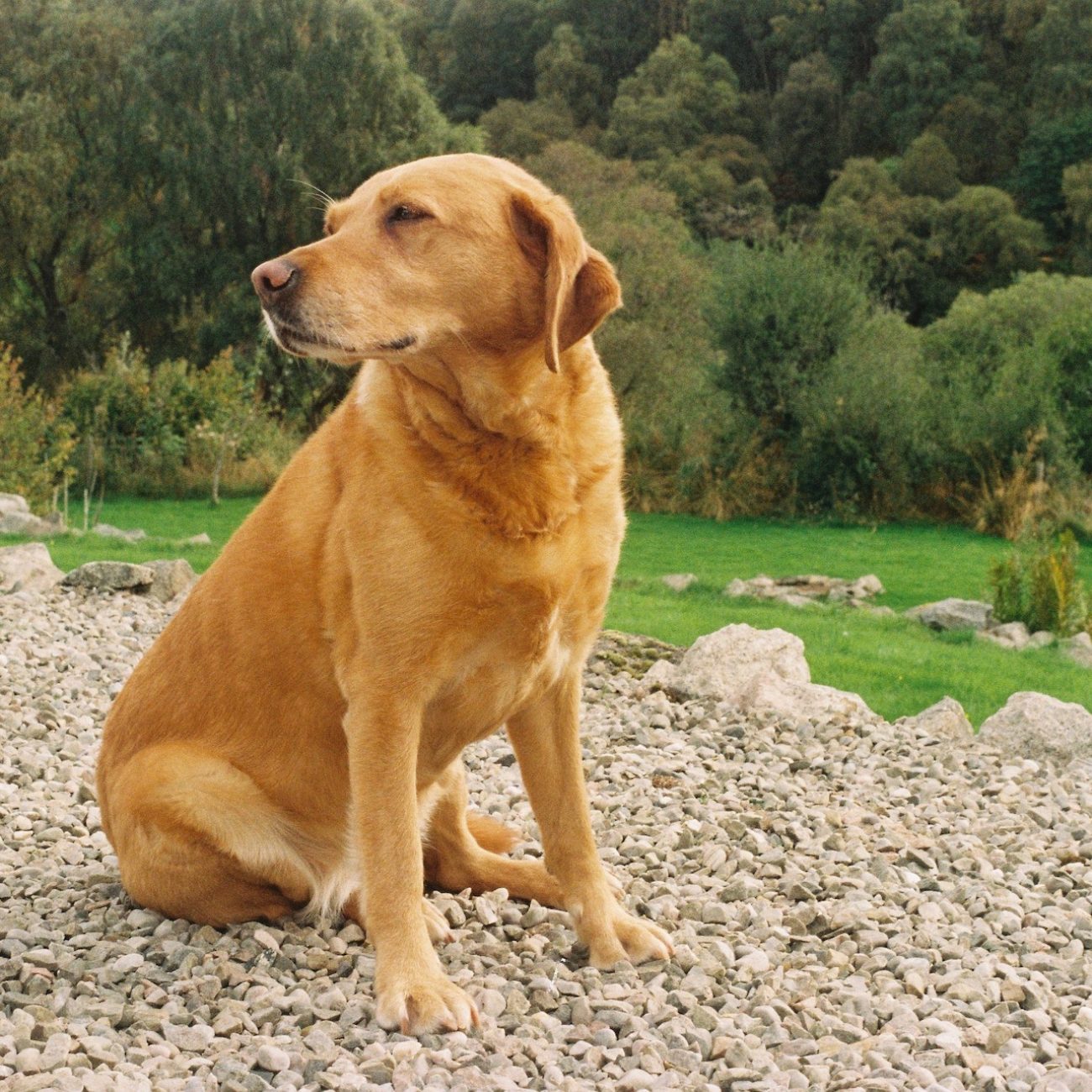
For this BBC Radio 3 and BBC Sounds programme, Tandem proposed an unusual perspective: listening to the world through the ears of Honey, a 15-year-old fox-red Labrador living in Edinburgh.
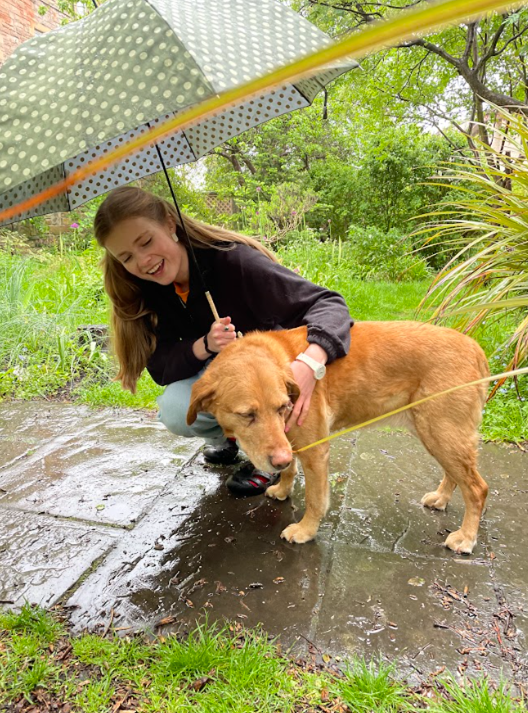
From dawn until evening, the programme follows Honey’s daily routine- greeting friends on her morning walk, exploring the allotment, and settling down beside a crackling fire at the end of the day.
Tandem’s Approach
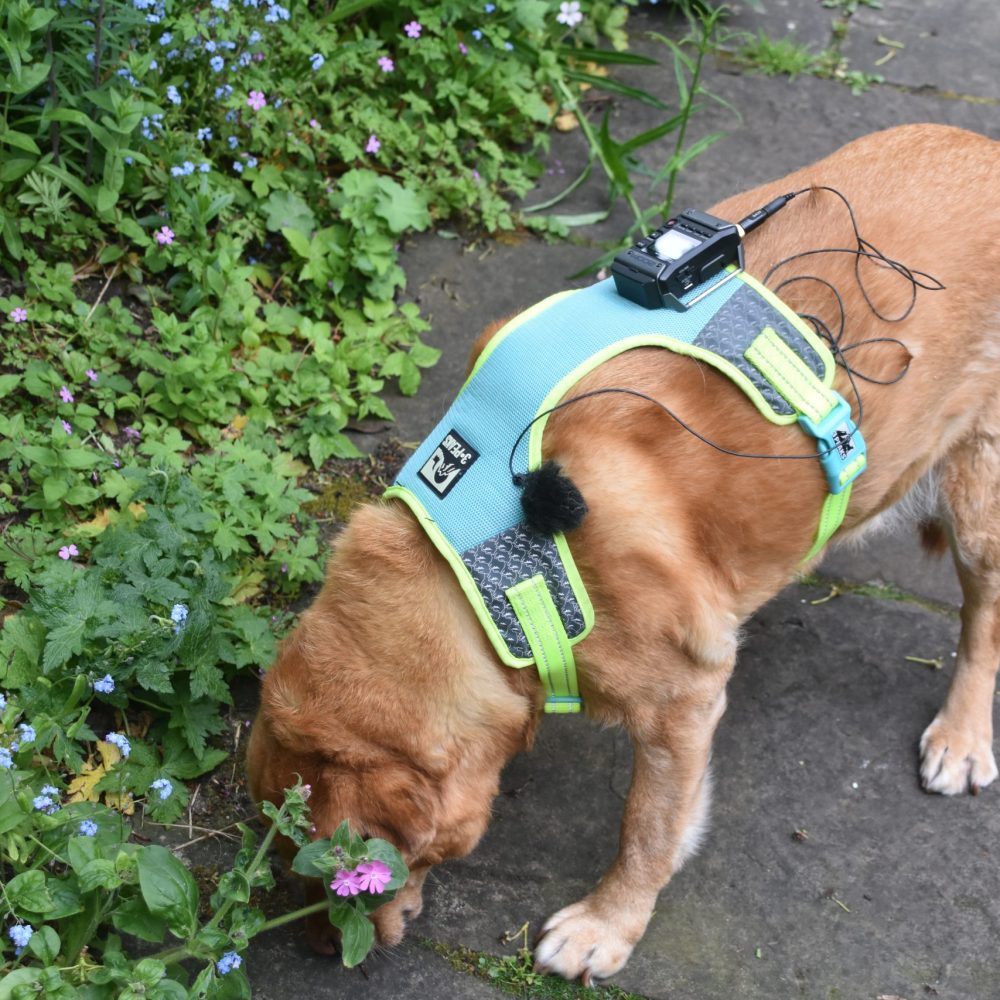
To capture Honey’s world, Tandem recorded the sounds surrounding her life across several days, using carefully placed microphones to capture both intimate detail and the wider soundscape.
The recordings were then shaped through detailed editing and mixing to create an absorbing audio portrait designed to be especially immersive when heard through headphones.
The result is a programme with very little narration, allowing the sounds of Honey’s day to tell the story.
Why It Works
By focusing on the small, everyday moments of a dog’s life, the programme creates a surprisingly rich portrait of the environments and relationships that shape her world.
Listeners are invited to slow down and notice details they might otherwise miss- footsteps on gravel, distant voices in the park, the quiet comfort of a fire in the evening.
Impact
The programme attracted widespread attention around its broadcast, with Honey, her owner and the Tandem producer appearing in national press features and radio interviews.
The episode became a much-loved example of BBC Radio 3’s Slow Radio strand, demonstrating the power of carefully crafted sound to create a vivid listening experience from the smallest of moments.
“A day in the life of Honey the Labrador is 30 minutes of head-emptying canine comfort.”
New Statesman